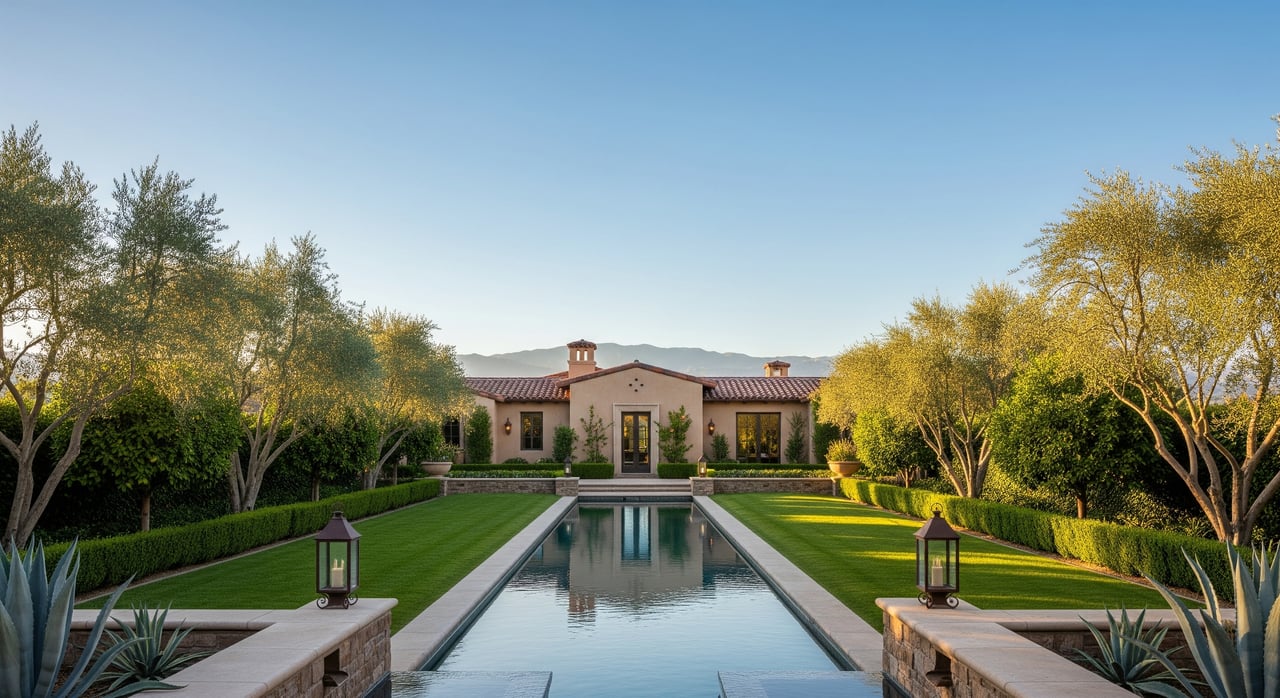
Thinking about refreshing your Spanish Trails landscape? Between our Mojave Desert climate, HOA expectations, and golf course visibility, even small choices can have big impacts. You want curb appeal, lower water bills, and a smooth approval process without surprises. In this guide, you’ll learn how to plan a water-smart design, navigate HOA reviews, and protect sightlines and safety on golf-adjacent lots—so your yard looks refined and performs in every season. Let’s dive in.
What your HOA expects
Most exterior landscape changes in Spanish Trails will require Architectural Review Committee approval. Expect the ARC to review visible elements like new trees, turf removal, plant selections, irrigation equipment placement, and hardscape materials. Communities often encourage drought-tolerant plants, require neat appearance, and set standards for fence and wall visibility from the street and the golf course.
The submittal typically includes a site plan, plant list and sizes, an irrigation plan, photos, and contractor details. Reviews often take 2 to 4 weeks, and approvals can include conditions such as spacing, species, or maintenance requirements. If your lot borders fairways or cart paths, coordinate early with golf course management as well.
A quick tip: start with the HOA’s CC&Rs and Design Guidelines and ask the ARC about common pitfalls. A pre-application conversation can save you time and revisions.
Plan a water-smart design for Spring Valley
Our desert climate brings low rainfall—about 4 inches per year—and high summer evapotranspiration. Outdoor water is a major cost driver, so a thoughtful plan will help you save water without sacrificing style.
- Hydrozone. Group plants by water need so each zone gets just what it needs.
- Right plant, right place. Use desert-adapted species in sunny spots and save higher-water plants for protected microclimates.
- Prioritize functional turf only. If no one plays on it, consider converting it.
- Use permeable hardscape and mulches. These reduce runoff and help soil hold moisture.
Choose plants that thrive here
Emphasize native or desert-adapted species that perform in heat and low water while meeting HOA standards. Always verify your palette with the ARC before purchase.
- Trees (sample options, subject to approval): Palo Verde, Desert Willow, Mesquite (selected varieties), Texas Mountain Laurel. Favor open-canopy trees near fairways to preserve views.
- Shrubs and perennials: Texas sage (Leucophyllum), Russian sage, brittlebush, lantana where allowed, penstemon, salvia suited to low water.
- Succulents and cacti: Agave, yucca, prickly pear with thoughtful placement, aloe accents.
- Groundcovers and ornamental grasses: Drought-tolerant choices such as deer grass (Muhlenbergia rigens) and regionally suited low-water covers.
Avoid invasive or water-hungry species and plants with aggressive surface roots near walls, paths, or course edges.
Irrigation technology that works
A smart, efficient system is essential in the desert.
- Smart controllers. Weather-based or Wi‑Fi controllers adjust schedules automatically and support seasonal changes.
- Drip for beds, rotors for turf. Match the method to the planting zone for even distribution.
- Pressure regulation and matched precipitation. This reduces overspray and improves efficiency, especially near fairways and cart paths.
- Flow sensors and automatic shutoffs. These catch leaks early and protect your system.
- Seasonal tweaks. Lower winter watering and adjust upward during peak summer heat.
Step-by-step: from turf to desert-friendly
If you plan a conversion, follow a simple process that keeps you compliant and on schedule.
1) Audit your site
Measure existing lawn, note sun and shade patterns, map irrigation zones, and identify whether your lot borders course areas. Many local contractors offer audits, and regional water providers may offer guidance.
2) Create the plan
Design hydrozones; select plants, hardscape, and mulch; and outline irrigation modifications. Confirm HOA and course input where needed. Build in room for mature plant size to avoid blocking sightlines later.
3) Remove turf
Options include sod removal, solarization, or installing a conversion layer. Remove root zones where appropriate and amend soil for new plantings as needed.
4) Retrofit irrigation
Replace old sprays with drip where appropriate, add pressure regulation and check valves, and plan separate valves for zones with different water needs. Install a smart controller and program by zone.
5) Install and protect
Plant trees and shrubs per plan, apply mulch, and stake or cage young trees if wind exposure is high. Keep spiky or thorny plants away from paths and shared boundaries for safety.
6) Commission the system
Run every zone, check for leaks, confirm matched precipitation, and set schedules in your smart controller. Expect to fine-tune run times with seasonal changes.
Timing and incentives
A small front yard can be converted in days to a couple of weeks; larger projects take longer, especially with drainage work or complex irrigation upgrades. Regional turf-removal incentives and water-efficiency rebates have been offered, but amounts and eligibility change. Always verify current programs with your water provider before you sign a contract.
Golf-adjacent lots: sightlines and safety
If your yard borders a fairway, tee, green, or cart path, your design must balance beauty, privacy, and playability.
- Setbacks. Leave a clear buffer along the course edge. Even when not mandated, a buffer reduces risk and helps maintain playability.
- Low first zone. Keep plantings within the first zone near the fairway under about 3 to 4 feet in height. Use groundcovers, low shrubs, and accent boulders here.
- Tree placement. Plant larger trees well back from the course edge and choose open-canopy species that will not block views as they mature. Avoid dense evergreen screens near fairways.
- Open fencing. Where privacy goals allow and HOA permits, consider decorative metalwork or see-through mesh rather than solid walls next to the course.
- Deflection and screening. Berms or angled plantings can deflect shots in some locations; coordinate with course management before building. In specific cases, protective netting or screens may be coordinated with the club.
Coordinate early with the course superintendent for recommended setbacks, species restrictions, and any course-specific requirements. If a planting later affects play, the HOA and course typically help mediate solutions.
Permits, approvals, and schedule
Before construction, verify county permit needs for fences, retaining walls, and grading. Ensure irrigation backflow devices and visible plumbing meet local standards and HOA visibility rules. Keep copies of written approvals from the ARC and any course agreements prior to starting work.
Quick homeowner checklist
- Review HOA CC&Rs, Design Guidelines, and ARC forms.
- Ask the ARC about pre-approved species and typical timelines.
- Consult course management about setbacks, heights, and safety solutions if you are golf-adjacent.
- Verify current water-provider incentives for turf removal and irrigation upgrades.
- Hire licensed contractors experienced in Southern Nevada and HOA processes.
- Obtain written approvals before construction begins.
Ongoing maintenance to stay compliant
Once your landscape is in, regular care protects both appearance and water savings.
- Pruning and canopy management. Maintain sightlines and keep plants from encroaching on sidewalks or course edges.
- Irrigation checks. Adjust seasonally, test for leaks, and replace worn emitters or rotors.
- Mulch and soil care. Maintain mulch depth to retain moisture and suppress weeds.
- Replace promptly. Swap out dead plants quickly and control erosion in converted areas.
- Proper disposal. Handle turf and green waste per county rules.
Bringing it all together
A refined Spanish Trails landscape pairs smart water use with timeless curb appeal. Start with your HOA guidelines, design with hydrozones and desert-adapted plants, and coordinate with the golf course if you border the fairway. With efficient irrigation and ongoing maintenance, you’ll protect your investment, keep water bills in check, and enjoy a yard that fits the community’s standards.
If you’re considering a strategic refresh before selling or simply want to elevate your outdoor living, our team can help you balance design, approvals, and timing for maximum value. Get a discreet, data-backed perspective on what upgrades can move the needle for your home.
Ready to plan your next move? Connect with Virtue Real Estate Group to Get Your Instant Home Valuation and personalized guidance.
FAQs
What are typical HOA landscaping approvals in Spanish Trails?
- Most exterior changes, including turf removal, new trees, hardscape, and visible irrigation equipment, require ARC approval with a site plan, plant list, and timeline.
How can I reduce outdoor water use in Spring Valley’s desert climate?
- Use hydrozones, choose desert-adapted plants, convert nonfunctional turf, and install smart controllers with drip irrigation for plant beds.
What plant types work near golf fairways in Spanish Trails?
- Favor open-canopy trees set back from the edge, low shrubs and groundcovers in the first zone, and avoid dense hedges that block sightlines.
Do I need to coordinate with the golf course for yard changes on a golf-adjacent lot?
- Yes. Consult course management for setbacks, height limits, and species guidance; they may also advise on protective screening where needed.
What permits might Clark County require for landscaping projects?
- Fences, retaining walls, significant grading, drainage changes, and backflow device standards may trigger county review; verify before work begins.
How long does ARC approval usually take for landscape updates?
- Reviews commonly take 2 to 4 weeks, though timing can vary based on submittal completeness and requested clarifications.