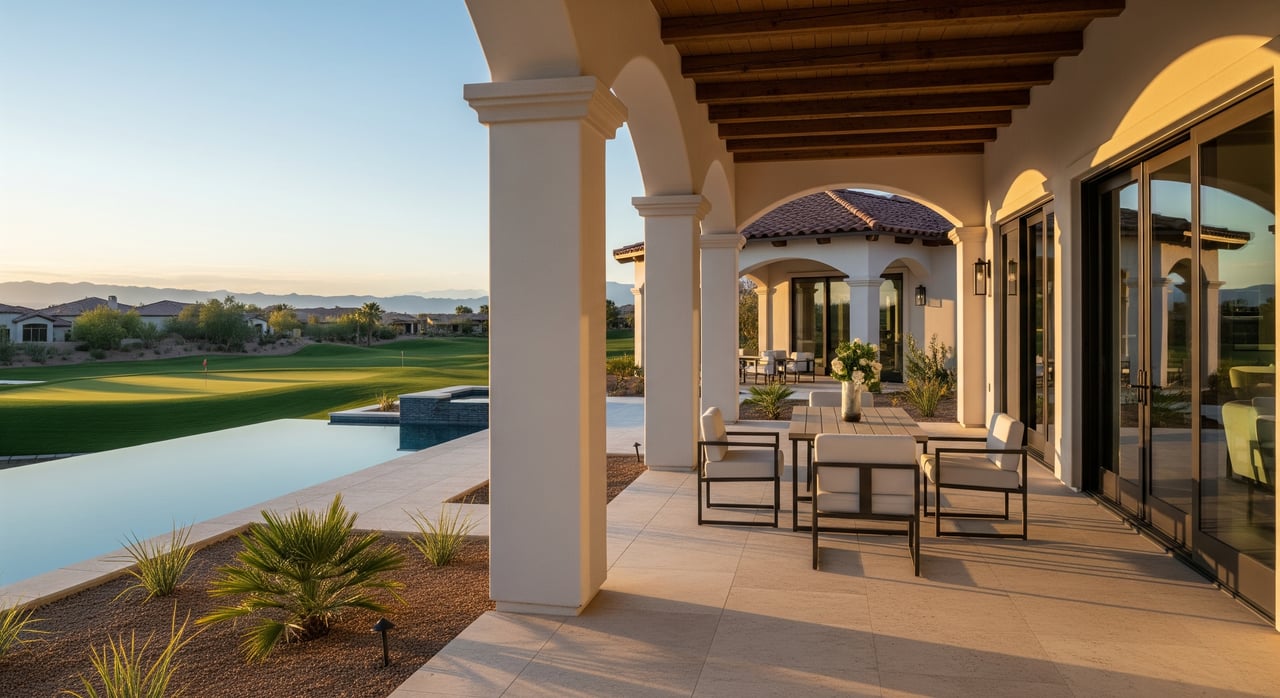
Thinking about buying or selling a golf course home in Spanish Trails? You want those wide fairway views and a strong resale when it is time to move. The good news is that golf-front living can command a premium, but the details matter in Spring Valley’s desert environment and HOA framework. In this guide, you will learn the key factors that protect value, what to watch for, and how to position your home for the best results. Let’s dive in.
What drives value in Spanish Trails golf homes
Course status and reputation
A course’s operating model affects demand. Private or club-operated courses often maintain turf and amenities at a higher standard than public facilities, which supports stronger premiums. Ongoing course condition and reputation also matter. Recent renovations and consistent maintenance are value-positive, while visible deferred upkeep is a red flag. Stability is critical, so verify current ownership, membership structure, and any public filings that could signal redevelopment risk.
Lot position and exposure
Where your home sits relative to the fairway drives value. Direct golf-front lots with clear sightlines to fairways or greens typically earn the highest premiums. Lateral or back-of-course positions may trade at smaller premiums. Weigh exposure to tee boxes, practice ranges, or errant-ball paths, and consider orientation to sun and wind. In Nevada’s climate, a west-facing yard may need shade solutions to keep outdoor spaces usable.
HOA fees, CC&Rs, and assessments
HOA dues and rules shape net costs and buyer appeal. Higher dues that fund common-area or course-adjacent maintenance reduce buying power. Special assessments for capital projects can soften values until benefits are realized. Leasing and short-term rental rules also affect demand. To understand what applies in your case, review your CC&Rs and Nevada’s HOA framework in NRS Chapter 116.
Water use and landscape costs
Desert water policy affects both aesthetics and costs. The Southern Nevada Water Authority offers turf-conversion incentives and sets regional irrigation expectations that can influence course presentation over time. Stay current on Southern Nevada Water Authority turf programs and how any changes could impact views, green space, and operating expenses.
Buyer demand segments
Golf-front homes do not just attract golfers. Many buyers pay for views, privacy, and open space even if they never swing a club. Demand can shift with lifestyle trends and broader market cycles. Industry groups such as the National Golf Foundation track participation and course trends, which can inform long-term demand expectations.
Home features that support premiums
Location sets the stage, but the home must deliver. Updated kitchens and baths, modern HVAC, and energy-efficient improvements help buyers justify paying more for a prime lot. Outdoor living upgrades like shade structures, misters, pools, and well-designed patios improve daily use and support your resale story, especially when matched to the lot’s sun exposure.
What the numbers say about premiums
Industry research commonly shows golf-front premiums in the single-digit to low-teens range, often around 3 to 15 percent. Actual results in Spanish Trails depend on recent closed sales, lot position, home condition, and market momentum. To ground pricing, examine the latest Spanish Trails and Spring Valley sales by lot orientation, and track inventory, days on market, and absorption using Las Vegas Realtors monthly market reports. Broader metro trends from the S&P CoreLogic Case-Shiller Home Price Index help set context for pricing power.
Appraisal and lending considerations
Golf-front properties are a niche. Appraisers sometimes face a thin set of truly comparable sales, which can lead to heavier adjustments. Lenders typically underwrite golf-lot homes like other single-family properties, but they will expect comps that support any premium for view or location. Help your appraiser by documenting recent course-front sales and price-per-square-foot differences by lot position.
Insurance and taxes
Being on a golf course rarely blocks insurance or financing, but some buyers weigh perceived risk from errant balls. Replacement cost, roof age, and mechanical systems usually matter more for premiums. For property taxes and recorded details of your parcel, consult the Clark County Assessor.
A practical resale checklist for Spanish Trails
Use this list to prepare your sale or sharpen your offer:
- Course operation and status: ownership, private vs public access, maintenance track record, any planned renovations, and indicators of redevelopment risk.
- HOA and CC&Rs: current dues, reserve studies, recent or pending assessments, leasing and STR rules, and maintenance responsibilities for golf-adjacent landscaping.
- Sales comps: 12 to 24 months of closed sales in Spanish Trails, segmented by golf-front, lateral, and non-course lots. Track days on market and list-to-sale ratios.
- Lot specifics: orientation to sun, proximity to tees or greens, privacy buffers, protective walls or netting, and irrigation particulars.
- Home condition: roof, HVAC age, energy upgrades, and interior updates. Note outdoor living features that align with the lot’s exposure.
- Utilities and water: typical water and landscaping costs if available. Consider potential savings from desert-friendly design.
- Insurance and taxes: current property tax bill and any reassessment after renovations; insurance premiums and claims history if accessible.
- Public records: recorded CC&Rs, amendments, and notices of interest through the Clark County Recorder.
Risks to watch and how to mitigate
- Course stability: If there is uncertainty about long-term operation or use, values can suffer. Monitor ownership changes, public filings, and HOA discussions.
- Special assessments: Large capital projects can weigh on resale until benefits are realized. Review budgets, reserve studies, and board minutes before listing or offering.
- Water and turf policy: Mandated turf reductions or irrigation changes may alter views and maintenance costs. Track updates through the Southern Nevada Water Authority turf programs.
- Errant ball exposure: Homes near tee boxes or landing zones may face higher wear-and-tear risk. Evaluate protective landscaping, walls, and placement of outdoor living zones.
How Virtue helps you maximize value
You get more than a listing. You get a strategy. We package golf-front properties with the same luxury-level storytelling used for top-tier estates. Expect video-first marketing, polished visuals, and a pricing plan grounded in real comps and HOA documents. We gather course and HOA disclosures up front, prepare an appraisal-ready comp set by lot position, and tailor staging and outdoor presentation to your home’s exposure and views. When you are ready, we are here to help you protect your equity and present your home at its best.
Ready to plan your move in Spanish Trails? Connect with Virtue Real Estate Group for a tailored pricing analysis and concierge marketing plan.
FAQs
Do golf-front homes in Spanish Trails sell for more?
- Industry research often shows a 3 to 15 percent premium for well-positioned course-front lots, but you should verify with recent Spanish Trails comps segmented by lot orientation.
What ongoing costs should I expect as a Spanish Trails owner?
- Budget for HOA dues, possible club or membership fees if applicable, landscaping and irrigation, and any special assessments disclosed in HOA documents.
Is there risk the golf course could close or change use in Spring Valley?
- Redevelopment risk can affect value, so review public records, HOA communications, and ownership updates through the Clark County Recorder.
How does a golf-lot affect mortgage approval and appraisal?
- Financing is usually similar to other single-family homes, but appraisals may be tougher if comps are thin, so provide a robust comp set and documentation of view and lot advantages.
What should non-golfers consider when buying for views in Spanish Trails?
- Focus on sightlines, privacy buffers, and sun orientation, and evaluate potential exposure to tee boxes or landing zones that could affect noise or maintenance.
Can I rent my Spanish Trails home short-term?
- Many HOAs restrict short-term rentals, so confirm leasing and STR rules in your CC&Rs and understand your rights under NRS Chapter 116.